About Curio

A curator is not a summarizer.
Curio is built on the difference.

The sentence you write when you save something is the most valuable field in the system. Everything else — the fetching, the triage, the drafting, the assembly — exists to keep that sentence intact and get it in front of somebody on Saturday.

Why Curio exists

The friction was never writing.

A weekly curated newsletter is a small, pleasant thing to make and a miserable thing to keep up. Not because the writing is hard — six paragraphs is an hour, and a good one is fifteen minutes — but because by Saturday you cannot find what you meant to send.

The good link was in a tab you closed. The reason it was good was in your head on Tuesday and is gone by the weekend. Half of what you meant to keep was never kept, because keeping it meant opening an app and pasting a URL while you were in the middle of reading something else.

So Curio starts at the wrong end on purpose. Not with the editor. With the eight ways a link gets in — and with the one sentence you write about why, which turns out to be worth more to the finished blurb than the article's own marketing copy is.

The rest follows from that. Triage is keyboard-complete because sixty items is a normal week. Issues assemble themselves because assembly is bookkeeping, not judgment. Drafting is a first pass, marked as a first pass, with the proportion you rewrote shown on the issue — because that number is the only honest measure of whether it is earning its keep. And the send, the one action nobody can take back, is the one thing Curio will not do for you.

Four beliefs

What the product is arguing.

Capture is the product's hardest problem

Every tool in this category ships an extension and moves on to the editor. But the link you lose is lost at the moment you decide it is not worth interrupting your reading for — which is why there are eight paths in and why five of them need no app at all.

Your reason beats any summary

A model handed “the third chart is the whole argument” writes something a summarizer never could, because a summary is about the article and a blurb is about why you are sending it.

The blurb belongs to the issue, not the link

The same piece can run in two newsletters and read completely differently in each. Tying a blurb to a saved link is a data-model decision that quietly limits what you are allowed to publish.

Automating the irreversible step is a mistake

Assembly is automated. Sending never is. A market racing toward hands-free publishing is racing toward a mistake nobody can take back, and declining to enter that race is a position worth stating on a marketing page.

What Curio is not

Two things it deliberately does not do.

Both come up in every conversation about it, and the answer is the same both times: the boundary is the design.

It is not an email service provider
Subscribers, opt-in, imports, unsubscribes, bounces and deliverability belong to Herald, in one place rather than two. Curio stores the id of a Herald mailing list and nothing else about the people on it, and it never renders email HTML — it emits Markdown and Herald turns it into the message.
It is not a place to discover newsletters
There is no public directory, no discovery feed, and no plan for one. Curio is a desk, not a newsstand. What you saved is yours, nothing captured is deleted by a background process, and an issue carries your blurb and a link — never a republished article.
Who is building it

One person, and a lot of leverage.

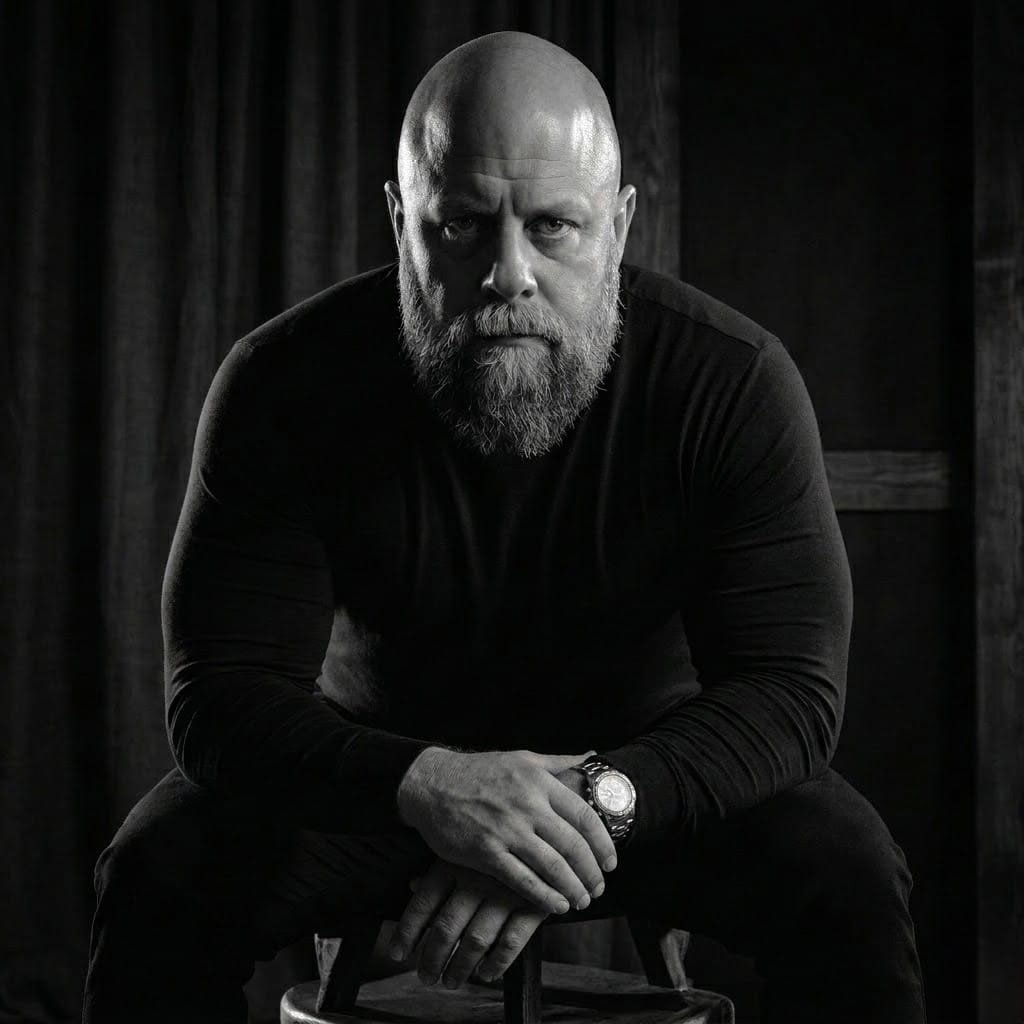
Charles Sieg, founder of Renkara Media Group.

Charles Sieg

Founder, Renkara® Media Group, Inc.

Curio is one of a family of tools built and run by one person in Keller, Texas, alongside Herald, which sends what Curio makes, and Pavilion, the workspace a consulting engagement gets. They share an identity plane, a design system, and a stubborn preference for shipping a small honest thing over announcing a large one.

The status marks on the features page exist for the same reason. A marketing site that describes a designed feature in the present tense is lying about a schedule, and the person who finds out is the one who trusted it.

Questions

The five that always come up.

Can I use Curio without Herald?

Not for sending. Curio is deliberately the half of a newsletter that is not sending, and the publish step hands a draft to Herald and asks it to schedule or send. Everything before that step — capture, reader view, triage, publications, assembly, drafting, the archive — is Curio's own.

Which model writes the blurbs?

The strongest one available at the time, chosen per phase and changed as the models change. Naming one on a marketing page would be out of date faster than the page is.

Can an agent run my whole newsletter?

Up to the last step. Thirty-two MCP tools cover capture, triage, publications, feeds, assembly, drafting and preview. There is no tool that sends, schedules or test-sends, and a test enforces that as the tool surface grows.

What happens to a link behind a paywall?

It stays. The item survives with its URL, your note, and a plain explanation of what happened, and it is still perfectly usable — you usually know exactly what it was.

Is any of this deleting my old saves?

No. Nothing captured is ever removed by a background process. Feed suggestions age out, reversibly, and that is the only automatic tidying that happens anywhere in the product.

Keep the good bits.
Send them Saturday.

Curio does the half of a newsletter that is not sending: capturing, triaging, drafting, assembling, reviewing. Herald owns the subscribers, the opt-in, and the send.

Curio is in active development at Renkara. Nothing here is for sale yet and there is no list to join — write to contact@renkara.com if you want to hear when it opens.

Claude and the Model Context Protocol are trademarks of Anthropic, PBC. Curio is not affiliated with, endorsed by, or sponsored by any of them.